She Bought 7 Bankrupt Wine Startups and Built a $200 Million Company in 17 Months
Neha Kumar spent about 14 years building a finance and operations career before she ever touched the wine industry. She earned an economics degree from UCLA and an MBA from USC, then spent years as COO and CFO of Create & Cultivate, a women’s business conference and media company, leading it through a private-equity acquisition. She also taught finance and operations as a lecturer at UCLA Anderson School of Management for close to a decade. After Create & Cultivate’s exit, she launched New Money Ventures, an early-stage investment fund, and reconnected with Louis Amoroso, an industry veteran she’d worked with before, to build something new together.
What Kumar and Amoroso built in 2023, Full Glass Wine Co., isn’t a winery — it’s a roll-up. Their thesis was that the pandemic had pushed a wave of venture-backed, direct-to-consumer wine startups to overvalued, unsustainable places, and that many of them would eventually become distressed and available to buy cheap. Their first target proved the thesis almost immediately: Winc, a subscription wine club that had gone public in 2021, filed for Chapter 11 bankruptcy in December 2022 with roughly $50 million in assets against $36.75 million in debt. Winc’s assets were first bought out of bankruptcy by another company, Amass Brands, and Full Glass acquired Winc’s direct-to-consumer operations from Amass in June 2023 — the deal that launched the company. By Full Glass’s own account, Winc reached profitability within 45 days of the acquisition.
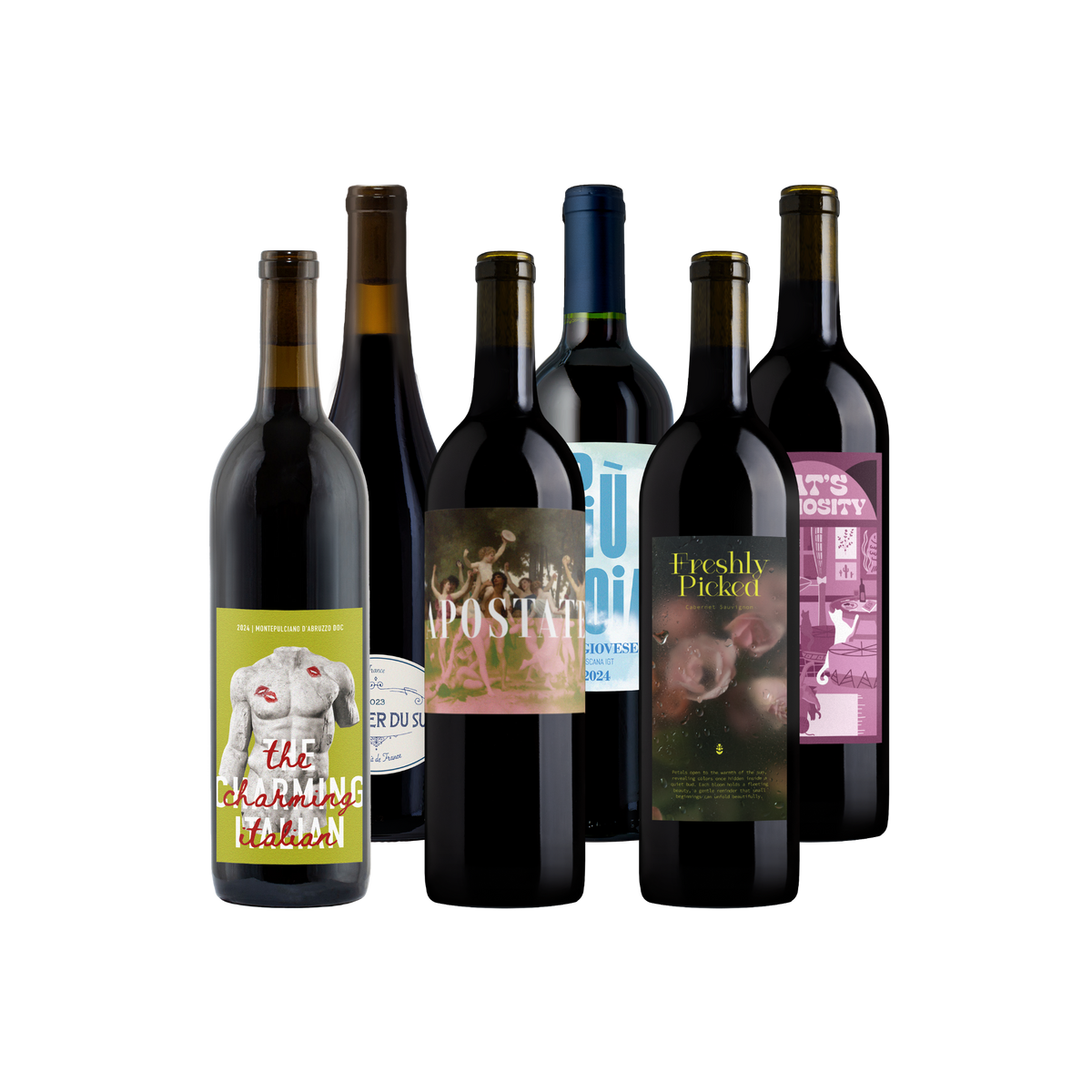
From there the acquisitions came fast. Wine Insiders followed in October 2023. In April 2024, Full Glass raised a $14 million Series A led by Shea Ventures and used part of it to acquire Bright Cellars, a Wisconsin-based wine club founded in 2013 by two MIT graduates that had previously raised $20 million of its own venture funding. Scout & Cellar and Splash Wines came next, and on December 10, 2024, Full Glass announced two acquisitions on the same day — Wine Access, founded in 1999, and Cameron Hughes Wine, previously owned by Vintage Wine Estates — bringing the total to seven acquisitions in roughly 17 months. Each brand keeps its own name, website, and customer base; Full Glass centralizes the parts customers never see, like shipping logistics, finance, and marketing technology, behind the scenes.
The numbers Full Glass points to are striking, and self-reported: the company says it reached roughly $100 million in annualized revenue by the end of 2024 and had grown to $200 million within about 17 months of Winc’s acquisition, with 2025 revenue projected to land around the same mark. It financed the buying spree through a mix of cash, equity, seller financing, and debt rather than relying solely on the one venture round — the $14 million Series A remains the only outside funding round confirmed publicly. Kumar has described the acquisition criteria plainly: brands need a real history of quality and consumer loyalty, plus technology and operations that can plug into what Full Glass already runs, rather than needing to be rebuilt from scratch.
The distress Full Glass is buying into is real and industry-wide. U.S. direct-to-consumer wine shipments were valued at $4.14 billion in 2023, down 6.5% in volume year over year to 7.13 million cases, even though that figure was still 29% above 2019 — a category that boomed during the pandemic and has been correcting since. DTC still accounts for only around 5% of total U.S. wine sales, and premium wines priced above $50 have been one of the few real growth pockets. Winc’s bankruptcy wasn’t an isolated case: Underground Cellar, another DTC wine startup, filed for bankruptcy in 2023 owing customers wine they’d already paid for, and banking data cited in trade coverage has pointed to softening wine demand overall, especially among younger drinkers who are gravitating toward other categories or drinking less altogether. Full Glass’s bet is that this shakeout leaves a handful of genuinely loyal customer bases sitting inside otherwise broken businesses — and that buying several of those businesses and running them on one shared backbone is cheaper than building any one of them from zero.
Kumar has also been candid about what it’s like running M&A inside an industry that isn’t used to seeing someone like her in the room. She’s described the wine business as “an old boys’ club” and said regulators and counterparties have repeatedly assumed she wasn’t the actual decision-maker, even while she was the one handling acquisitions and bank facilities. Her approach, by her own account, is to surround herself with people who already recognize her value rather than spend energy convincing skeptics — a practical answer to a structural problem, not a solved one.
In this episode, Neha walks through how she and her co-founder identified distressed wine brands worth buying, what it actually took to turn Winc profitable in under two months, and why she thinks consolidation — not another funding round — is the more durable strategy for a shaken-out DTC category.
Listen to the full conversation with Neha Kumar on Apple Podcasts
Make sure to check out Full Glass Wine Co. at: https://www.fullglass.wine/
Check out my new book on Amazon: https://amzn.to/4kRKGTX
Sign up for Starting Small University to join our interviews LIVE and ask questions: https://startingsmallmedia.org/startingsmalluniversity
Visit Starting Small Media: https://startingsmallmedia.org/
Subscribe to exclusive Starting Small emails: https://startingsmallmedia.org/newsletter-signup
Follow Starting Small:
Instagram: https://www.instagram.com/startingsmallpod/
Facebook: https://www.facebook.com/Startingsmallpod/
LinkedIn: http://linkedin.com/in/cameronnagle