Mark Newman has spent his career fixing broken systems, first in hiring and now in healthcare. At around 20 years old, while still a student, he co-founded HireVue with Ryan Money as a school project — the two pitched it to their professor, then entered and won $1,000 in the Utah Entrepreneur Challenge. HireVue went on to pioneer recorded, asynchronous video job interviews, grew past 400 employees, and became a hiring tool used by major banks, airlines, hotels, and retailers over 13 years, with backing from investors including Sequoia and TCV. In 2019, private equity firm Carlyle Group signed an agreement to take a majority growth stake in HireVue, a deal that closed that October.
Newman had never worked in healthcare before starting his next company, though he’d served on the board of a national pharmacy chain. He’s said the idea for Nomi Health traces back to the birth of his son, when a hospital finance representative quoted him roughly $4,500 for the delivery, then offered an immediate discount to $3,000 if he paid the full amount on the spot — a moment he’s pointed to as proof that healthcare pricing is often arbitrary rather than fixed. As he’s put it, most of what’s wrong with healthcare isn’t a clinical problem: “80 percent of the time, they’re business problems, process problems, technology, or money problems.”
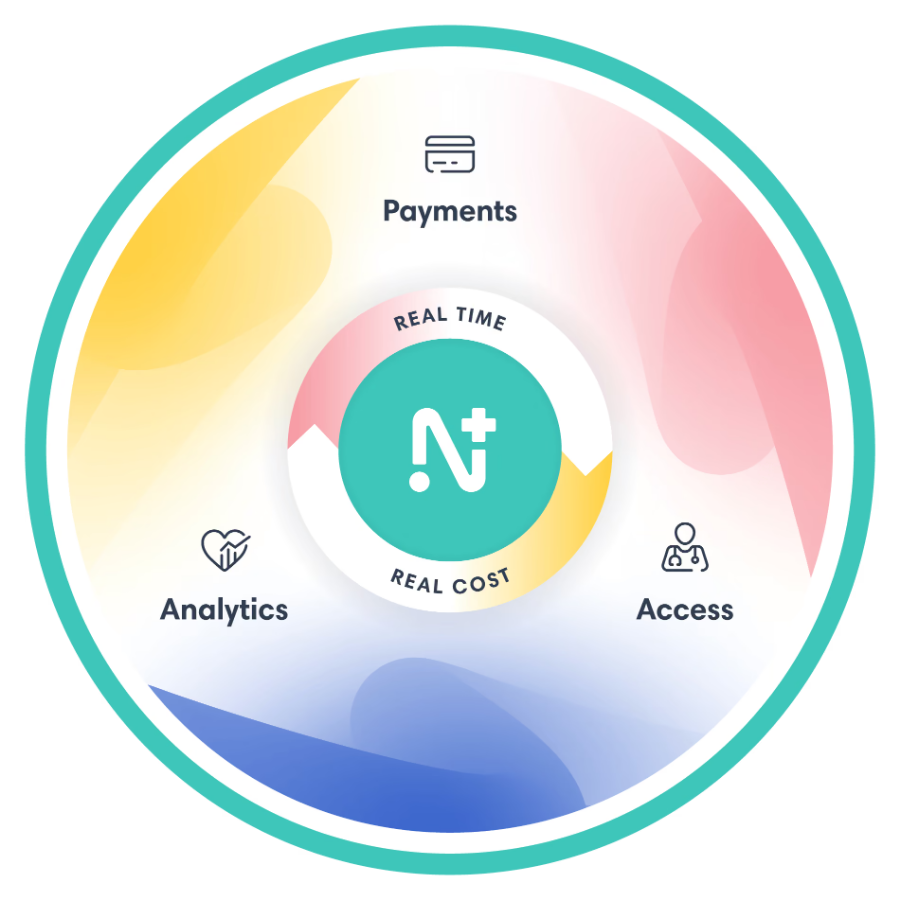
Newman co-founded Nomi Health in 2019 alongside Joshua Walker, who brought two decades of healthcare operations experience, and Boe Hartman, a former Barclays and Goldman Sachs technology executive. The company’s stated mission is to “Go Direct” — stripping out the layers of insurers, brokers, and middlemen that sit between what an employer pays and what a provider actually receives for care. Within months of founding, the pandemic hit, and Nomi’s direct-contracting infrastructure got an unplanned stress test: through its TestUtah brand, the company signed a $5 million no-bid deal with the state of Utah on March 31, 2020, and had testing running two days later. Contracts with Iowa and Nebraska followed within about three weeks — the Iowa deal reportedly came together after actor Ashton Kutcher, an Iowa native, tipped off Governor Kim Reynolds’ office about the Utah model, a connection Reynolds later confirmed publicly. By Nomi’s own count, the company eventually operated in 15-plus states and more than 1,000 communities, delivering over 150,000 tests a day at peak and administering more than 900,000 vaccinations.
That rapid, government-facing scale-up also drew real scrutiny, and it’s worth being straight about it rather than glossing over it. In 2022, federal regulators at CMS found that several Utah testing sites run under the TestUtah/Nomi Health brand posed “immediate jeopardy to patient health and safety,” citing test kits stored improperly — in some cases alongside food — and temperature-control failures involving rapid antigen tests the state had already flagged for a high false-negative rate. Nomi said it responded quickly to correct the issues. Nebraska’s state auditor separately raised questions about whether the state received the full number of tests it paid for under its contract with the company. And in 2023, a Dallas jury found Nomi Health liable for breach of contract in a lawsuit brought by a software vendor that alleged Nomi copied its COVID-testing app technology, awarding roughly $4 million in damages. None of that erases what the company built at scale during an emergency, but it’s part of the honest record of how fast Nomi grew and what that speed cost in oversight.
What Nomi looks like today is a fairly different business from the pop-up testing operation that made it briefly famous. The company now runs a direct-contracting network connecting self-insured employers directly to providers and health systems, layered with its own payments infrastructure — Newman and Hartman both came out of fintech and banking backgrounds, not healthcare, which shows in how the company talks about itself. In 2022 Nomi acquired Artemis Health, a benefits-analytics platform that helps employers see exactly where their healthcare dollars are going, and picked up Everyone Health and Sano Surgery the same year to round out its direct-care capabilities. More recently, Nomi has been narrowing its focus: in 2025 it agreed to sell CerpassRx, its pharmacy benefit management division, to LucyRx, while continuing to add new direct-network partnerships with health systems including Henry Ford Health and ProMedica.
Nomi is competing in a direct-to-employer healthcare category that’s consolidating fast. Transcarent, one of the more prominent direct-contracting and navigation players, completed a $621 million merger with Accolade in April 2025, creating a combined company serving more than 20 million members and 1,700 employer and health-plan clients — a scale Nomi doesn’t match, but a sign of how much capital is chasing the same basic pitch: cut employers a more direct, transparent path to care than a traditional insurance carrier offers. The pressure driving that shift is real and measurable. Self-insured employers are facing a projected medical cost trend increase of roughly 8.5% and an 11% jump in pharmacy costs for 2025, with claims over $100,000 up nearly 13% year over year. At the same time, pressure on the traditional PBM model that Nomi has positioned itself against is building at the federal level too: in February 2026, Congress passed legislation delinking PBM compensation from list prices and rebates in Medicare Part D, part of a broader wave of state and federal reform aimed at the exact kind of rebate-driven, opaque pricing Newman has spent his second career arguing against.
In this conversation, Mark shares the grit of his early ventures, how Nomi scaled through the chaos of the pandemic, and why he believes employers — not insurers — hold the keys to healthcare reform.
Listen to the full conversation with Mark Newman on Apple Podcasts
Cameron Nagle is the founder and host of Starting Small, creator of the Starting Small Summit, and author of Starting Small: The Raw Truth About Entrepreneurship and the American Dream. About Cameron | Listen on Apple Podcasts